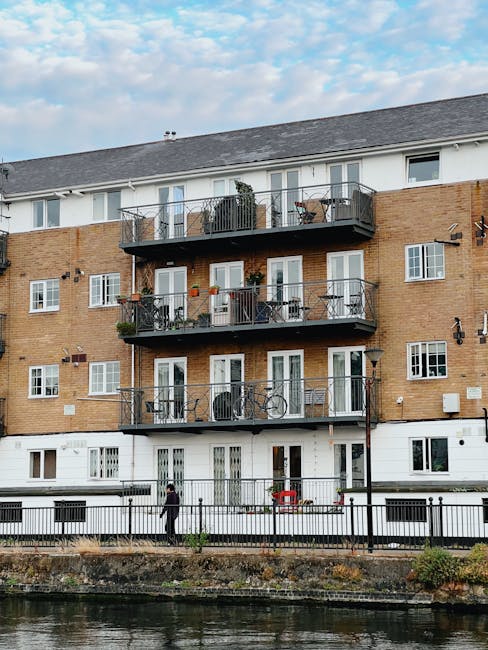
Teddington Lock carpet cleaning for riverside flats what to know
Living in a riverside flat near Teddington Lock has its own charm: the view, the light, the sense that the Thames is always doing something just out of sight. But carpets in those homes can face a slightly different set of problems. Damp air, tracked-in grit from the towpath, pet odours, and the general stop-start rhythm of apartment living all affect how flooring wears and how it should be cleaned. If you are looking into Teddington Lock carpet cleaning for riverside flats what to know, the short version is this: the job is perfectly manageable, but the best results come from the right method, sensible timing, and a cleaner who understands access, drying, and moisture control in a riverside setting.
This guide walks through what matters most before booking, what to ask for, and what to avoid. It is written for people who want practical answers, not fluff. And truth be told, that is usually what you need when you are trying to sort a carpet clean around work, keys, neighbours, and a narrow hallway that seems to shrink every time a machine enters it.
Expert summary: Riverside flats need carpet cleaning that balances deep cleaning with careful drying. The closer you are to the water, the more important it is to think about ventilation, humidity, building access, and how long the carpet will stay damp afterwards.
Table of Contents
- Why Teddington Lock carpet cleaning for riverside flats what to know Matters
- How Teddington Lock carpet cleaning for riverside flats what to know Works
- Key Benefits and Practical Advantages
- Who This Is For and When It Makes Sense
- Step-by-Step Guidance
- Expert Tips for Better Results
- Common Mistakes to Avoid
- Tools, Resources and Recommendations
- Law, Compliance, Standards, or Best Practice
- Options, Methods, or Comparison Table
- Case Study or Real-World Example
- Practical Checklist
- Conclusion
- Frequently Asked Questions
Why Teddington Lock carpet cleaning for riverside flats what to know Matters
Riverside flats are lovely, but they are not always forgiving when it comes to carpets. The environment around Teddington Lock can bring in a mix of fine dust, moisture, and outdoor debris. Even if you keep shoes off and run a fairly tidy home, a carpet can still start to look tired faster than you expect. Near water, there is often a touch more humidity in the air, and that can make stale smells linger a bit longer. Not dramatic, just enough to notice.
That is why cleaning is not only about appearance. It is about keeping the flat feeling fresh, reducing trapped odours, and helping carpet fibres last longer. In riverside homes, a proper clean can also help with common issues like damp-feeling underlay, muddy marks after a wet walk, and pet smells that seem to hang around after a rainy day on the towpath. If you have ever opened the window on a grey morning and thought, "Why does the lounge still smell a bit closed-in?" you are not imagining it.
There is also the matter of access. Flats often mean shared entrances, stairs, lifts, parking limits, or building rules about service visits. So carpet cleaning here is not just a technical job; it is a bit of logistics too. A good service should understand that a riverside flat may need quieter equipment, careful hose routing, and a plan for moving furniture without scratching wood or blocking a corridor. Small detail, big difference.
If you are comparing providers, it helps to look beyond the lowest price and check whether the company seems organised and trustworthy. Pages like about the team and the insurance and safety information can tell you quite a lot about how seriously they take the work. That is often the boring part people skip. It is also the part that saves headaches later.
How Teddington Lock carpet cleaning for riverside flats what to know Works
At its core, carpet cleaning in a riverside flat follows the same general process as anywhere else: inspect the carpet, identify fibres and stains, choose the right method, clean, and dry thoroughly. The difference is in the care taken around moisture, noise, access, and drying time.
Most professional cleans begin with a pre-inspection. This is where the cleaner checks fibre type, problem areas, and any signs of wear, such as flattened pile in hallways or dark patches under furniture. In a flat near Teddington Lock, they may also look at where outside dirt is coming from: the entrance mat, balcony doors, patio access, or a route used for dog walks. That matters because if you clean the carpet but ignore the entry point, the dirt comes right back. Quite quickly, too.
Next comes pre-treatment. Stains, traffic lanes, and general grime are treated before the main clean. For many homes, professional carpet cleaning includes this stage because it helps loosen residue and improves overall results. If the flat has pet issues, a targeted pet stain and odour removal approach may be needed, especially if a carpet has absorbed a smell over time.
The cleaning method itself may vary. Hot water extraction, often called steam cleaning, is common because it can clean deeply and remove embedded dirt. You may also see lower-moisture approaches used for more delicate carpets or where drying time needs to be kept short. A good cleaner will not simply default to one method for every room. Different carpets, different plans. Makes sense, really.
After cleaning, drying becomes the big issue. Riverside flats can hold humidity longer than you might expect, so open windows alone may not be enough on a damp day. Airflow, heating, and sometimes a fan or air mover help carpets dry properly. The aim is a carpet that feels clean and dry, not one that stays slightly cool and clammy by teatime.
If you want a broader view of methods, the page on steam carpet cleaning is useful for understanding why deep cleaning and drying need to be balanced carefully in apartment settings.
Key Benefits and Practical Advantages
Good carpet cleaning in a riverside flat does more than make the floor look presentable. It can change how the whole home feels. A properly cleaned carpet tends to brighten the room, reduce lingering odours, and make the place feel less "lived in" in the dusty sense and more homely in the good sense.
- Better indoor freshness: useful in flats where windows are not always open and air can feel a bit still.
- Less visible wear: traffic lanes and dull patches often improve noticeably after a proper clean.
- Odour reduction: especially helpful for pets, cooking smells, or moisture-related mustiness.
- Longer carpet life: removing grit helps fibres last longer, which matters if replacing flooring in a flat is awkward and expensive.
- Better presentation: handy if you are renting, selling, or simply tired of staring at that one stain near the sofa.
There is also a practical side for landlords and property managers. A well-maintained carpet supports better tenant turnover and can reduce the need for premature replacement. For shared buildings, especially those with managed access, regular cleaning can help keep communal feel and private spaces in better shape. If the job is tied to multiple rooms or furnished spaces, it may overlap with upholstery cleaning or even sofa cleaning so the whole room feels consistent rather than half-done.
Who This Is For and When It Makes Sense
This kind of cleaning is useful for a fairly wide group of people. You do not need a disaster on your hands to justify it. In fact, the best time to clean is usually before the carpet gets properly shabby. Bit dull? Yes. But sensible.
You may want it if you are:
- living in a riverside flat with noticeable damp or stale odours
- renting and preparing for an inventory check or end-of-tenancy handover
- moving in and want to start with a fresh carpet rather than somebody else's history
- hosting guests and want the flat to look and smell cleaner
- managing pet hair, muddy footprints, or repeated spill marks
- dealing with a hallway or lounge that gets heavy foot traffic
- trying to protect a decent carpet you would rather not replace
It also makes sense after seasonal weather changes. In autumn and winter, riverside flats often pick up more damp grit; in spring, people notice dust and pollen more. You might not think about the seasons until the carpet tells you otherwise. The thing is, carpets can quietly absorb all sorts of life.
If you own or manage more than one flat, it may be useful to look at the cleaner's wider service range, particularly if you need commercial carpet cleaning for communal or investment properties. Even if your situation is residential, that page can give you a sense of how they approach multi-room or higher-traffic work.
Step-by-Step Guidance
If you want the process to run smoothly, a little preparation goes a long way. Here is a practical way to approach it.
- Assess the carpet first. Look for stains, worn areas, pet odours, and any signs of damp or discolouration. Make a quick note so nothing gets missed.
- Check building access. Think about parking, lift access, stairs, door codes, concierge arrangements, and timing. Flats near Teddington Lock often have tighter access than a house, and that matters on the day.
- Choose the right cleaning method. A standard deep clean may be enough, but delicate fibres or shorter drying windows may need a lower-moisture option.
- Move light items before the cleaner arrives. Lamps, plant pots, baskets, and small tables are easier to handle in advance. Saves time. Saves faff.
- Vacuum thoroughly. Even a professional clean works better when loose grit and hair are removed first.
- Point out problem spots. Stains under a rug, pet corners, and doorway marks are easy to miss unless you mention them.
- Plan for drying. Open windows if weather allows, run heating sensibly, and keep foot traffic low until the carpet is dry.
- Inspect the result before the cleaner leaves. Check that the key marks were treated, the room is drying well, and furniture has been placed back safely.
A simple booking question can help too: "How long should the carpet stay off-limits after cleaning?" That one question tells you a lot about the cleaner's understanding of flat living and drying control.
Expert Tips for Better Results
There are a few small things that make a big difference. Nothing fancy. Just the kind of details that experienced cleaners tend to watch automatically.
First, handle the humidity properly. A riverside flat can feel dry enough at 10am and slightly sticky by mid-afternoon, especially with the wrong weather outside. If it is a damp day, ask about drying strategy rather than assuming the job ends when the machine does.
Second, do not over-wet delicate carpets. Too much moisture can leave a flat smelling stale or can slow drying to a crawl. A careful technician will test fibres and adjust. If they do not mention this at all, that is a bit of a red flag.
Third, treat entrances as a priority. In apartments, dirt usually travels from the front door inward. Hallways, thresholds, and the area beside the sofa often need the most attention. Clean those properly and the whole home looks fresher.
Fourth, think in pairs. If your curtains, sofa, or rug are also holding smell or dust, cleaning them around the same time can produce a much better result. A freshly cleaned carpet next to a grubby armchair can look odd, to be fair. You can explore related options like rug cleaning and curtain cleaning if you want the room to feel properly reset.
Fifth, ask about safe cleaning products. If you have children, pets, or sensitivities to smell, mild and well-rinsed products are usually the better choice. Not every "fresh" scent is a good thing. Some are just loud.
Common Mistakes to Avoid
Some mistakes are small but annoying. Others can leave you with a carpet that looks worse for a day or two. Here is what tends to go wrong.
- Booking on price alone. Cheap does not always mean bad, but if a quote looks unusually low, ask what is included. Pre-treatment? Drying support? Stain work? You need the full picture.
- Ignoring drying time. In a flat, especially a damp one, this is the mistake that causes the most disappointment.
- Not checking fibre type. Wool, synthetic, and blended carpets behave differently. One method does not suit all.
- Forgetting pet odour hotspots. You clean the room, then realise the smell is still coming from one corner near the radiator. Not ideal.
- Leaving furniture in the wrong place too soon. Heavy items can mark damp pile or trap moisture underneath.
- Skipping the hallway. The lounge may be spotless, but the entrance area often tells the real story of the flat.
- Not asking about access and timing. A cleaner arriving with no lift access, nowhere to park, and a strict building window is not a happy start.
If you are ever unsure, ask direct questions before booking. Cleaners who work in flats all the time usually appreciate that. It helps them prepare properly and, frankly, it helps you avoid the "well, that could have gone better" moment.
Tools, Resources and Recommendations
You do not need a van full of equipment to prepare well, but a few basics help. A decent vacuum, a clean white cloth for blotting, mild spot treatment, and a bit of common sense go a long way. For more stubborn stains, it is usually better to let a professional deal with them than to test five internet hacks in a row and hope for the best.
Useful service pages to review before booking include stain removal if you have specific marks, and mattress cleaning if the flat's overall freshness is a broader concern. When a home has lived-in smells, carpets and soft furnishings usually need to be considered together.
It is also worth checking practical business information. A trustworthy provider should make pricing, payment, and booking terms clear. Pages such as pricing and quotes, payment and security, and terms and conditions help you understand what to expect before anyone arrives with equipment in the hallway.
For people who care about waste and product choices, the company's recycling and sustainability information can be useful too. It is a small detail, but a welcome one if you prefer a cleaner operation to be thoughtful as well as effective.
Law, Compliance, Standards, or Best Practice
Carpet cleaning in a private flat is not usually a heavily regulated activity in the way some building trades are, but there are still sensible standards to expect. First, any cleaner entering a residential building should behave safely and respectfully, especially around common areas, shared entrances, and neighbours. Secondly, any chemical products should be used according to manufacturer guidance and rinsed or extracted appropriately so residues do not build up in the carpet.
In practical terms, good best practice looks like this:
- clear communication before the appointment
- appropriate public liability and business insurance
- safe handling of equipment and power leads
- care with wet floors to reduce slip risk
- honest advice if a stain may not fully lift
- respect for landlord, tenant, and building access arrangements
If the flat is rented, it is sensible to keep records of cleaning for move-in or move-out purposes. That is not a legal essay, just ordinary good housekeeping. And if you are a landlord or letting agent, consistency matters. A clear process is easier to defend than a vague one.
For peace of mind, review the provider's health and safety policy and insurance and safety information. Those pages do not make the carpet cleaner by themselves, of course, but they do tell you whether the business takes practical responsibility seriously.
Options, Methods, or Comparison Table
Different flats need different approaches. A small studio with low pile carpet does not need the same treatment as a family lounge with wool carpet and a dog that loves muddy walks. The table below gives a simple comparison.
| Method | Best for | Strengths | Things to watch |
|---|---|---|---|
| Hot water extraction / steam cleaning | General deep cleaning, traffic lanes, dirt build-up | Strong cleaning power, good for embedded grime | Needs more drying time; careful use near humidity-prone flats |
| Low-moisture cleaning | Delicate carpets, quicker turnaround, busy households | Faster drying, less saturation | May be less effective for very deep soil |
| Spot treatment only | Small recent stains | Quick and targeted | Does not refresh the whole carpet |
| Combined carpet and upholstery clean | Living rooms with sofas, rugs, and general odour issues | More consistent room freshness | Can take longer and may need a higher budget |
In a riverside flat, the most important question is not "Which method is best in theory?" It is "Which method gives the best result without leaving the room damp for too long?" That is the real decision point.
Case Study or Real-World Example
Picture a two-bedroom flat near Teddington Lock with a lounge carpet that has collected a bit of everything: muddy footprints from the towpath, a faint pet smell near the sofa, and a few dark marks by the window where shoes get kicked off. Nothing dramatic. Just a lived-in space.
The cleaner arrives, checks access through the shared entrance, and confirms where to park so equipment can be brought in without disturbing neighbours. The carpet is vacuumed, then the worst marks are pre-treated. The lounge and hallway are cleaned first because those are the highest-traffic areas. A little more attention goes to the pet zone near the sofa. The cleaner keeps moisture controlled rather than flooding the fibres, and the room is left with windows open and airflow encouraged.
By the evening, the carpet feels fresher, the smell is reduced, and the flat no longer carries that slightly closed-in tone that can build up in a riverside property. The client does not necessarily think, "What a dramatic transformation." It is more like, "Ah, that feels better." Which, in real life, is often the point.
That kind of result is usually what people want: not theatrical, just proper. Clean enough to notice, gentle enough to preserve the carpet, and dry enough to get on with life.
Practical Checklist
Before the appointment, run through this list. It helps more than people expect.
- Identify the rooms and exact carpet areas to be cleaned
- Note any stains, pet odours, or heavy traffic lanes
- Check building access, parking, and lift availability
- Move fragile or small items out of the way
- Ask what cleaning method will be used
- Confirm how long drying is likely to take
- Ask whether furniture moving is included
- Tell the cleaner about wool, blended, or delicate carpet fibres
- Share any concerns about smell, allergies, or pets
- Plan for ventilation after the clean
- Review pricing, payment, and terms in advance
- Inspect the carpet before the cleaner leaves
If you want a straightforward starting point, you can also check the main carpet cleaning service and then work out whether any adjoining items need attention too. It is usually easier to clean the room as a whole rather than treating the carpet like it lives in a vacuum. It does not.
Get a free quote today and see how much you can save.
Conclusion
For riverside flats around Teddington Lock, carpet cleaning is as much about care and timing as it is about stain removal. The best outcome usually comes from a cleaner who understands flat access, drying constraints, soft furnishings, and the slightly damp-friendly nature of homes near water. That is the practical heart of Teddington Lock carpet cleaning for riverside flats what to know.
If you take one thing from this guide, let it be this: choose a method that suits the carpet and the building, not just the calendar. A rushed clean can leave you with lingering moisture; a thoughtful one leaves the room looking brighter, feeling healthier, and simply easier to live in. And honestly, that fresh-carpet feeling after a grey riverside afternoon is hard to beat.
Small jobs add up. Good care now saves hassle later. That is the quiet win.
Frequently Asked Questions
How often should a riverside flat near Teddington Lock have carpets professionally cleaned?
It depends on traffic, pets, and moisture exposure, but many flats benefit from a professional clean once or twice a year. If the hallway or lounge gets heavy use, you may want it more often.
Is steam cleaning safe for flat carpets?
Usually yes, provided the carpet type suits it and the cleaner manages moisture properly. In riverside flats, the key is drying control rather than the method name alone.
Will carpet cleaning help with damp smells in a riverside apartment?
It can help, especially if the smell is coming from trapped dirt, residue, or light moisture build-up. If there is an underlying damp issue, though, cleaning alone will not solve that.
How long does carpet take to dry after cleaning?
Drying time varies by method, fibre type, airflow, and weather. In a flat near the water, it is sensible to expect drying to take longer on humid or wet days.
Can carpet cleaning remove old pet odours completely?
Sometimes, but not always. Old odours can sink into fibres, underlay, or even the subfloor. A targeted pet odour treatment gives you a better chance than a standard clean.
Do I need to move furniture before the cleaner arrives?
It helps to move smaller items yourself. Larger furniture can sometimes be moved by arrangement, but you should always confirm this in advance so there are no surprises on the day.
What should I ask before booking a carpet cleaner for a riverside flat?
Ask about the cleaning method, drying time, insurance, access needs, stain treatment, and whether the price includes pre-treatment and furniture moving where appropriate.
Is low-moisture cleaning better for flats?
Not always, but it can be a smart choice where quick drying matters. For deeper grime, hot water extraction may still be the better option if drying can be managed properly.
Can I combine carpet cleaning with rug or sofa cleaning?
Yes, and that often gives a more consistent result in a living room. If the carpet is clean but the sofa still smells stale, the room can still feel a bit off.
What if my carpet has a stain that keeps coming back?
That can happen if the stain has soaked into the backing or underlay. A professional stain removal treatment may help, but repeated marks are not always fully reversible.
Are cleaning products safe for children and pets?
They should be, if used correctly and rinsed properly. If you have concerns, tell the cleaner in advance so they can choose suitable products and methods.
What if my building has awkward access or no easy parking?
That is common enough in flats. Just mention it early. A cleaner who works in apartment settings should be used to planning around access, lifts, and parking limits.
If you are still weighing things up, start with the flat's actual conditions: fibre type, moisture, access, and how quickly you need the room back in use. Get that right and the rest tends to fall into place, fairly neatly really.